How Sydney’s Climate Affects Industrial Refrigeration and How to Adapt

Overview

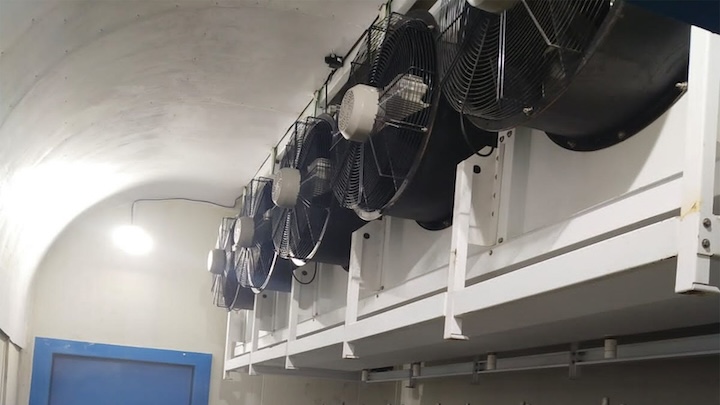
Sydney’s climate is beautiful for people but challenging for refrigeration plant. A system may run comfortably through a mild week and then struggle during hot, humid conditions, particularly when production is busy and doors are opening constantly. Understanding the local environment helps teams design and maintain systems that remain steady all year.

Read More
Navigating Refrigeration Regulations: Compliance Checklist for Australian Food Facilities”slug: “navigating-refrigeration-regulations-compliance-checklist-for-australian-food-facilities

Overview

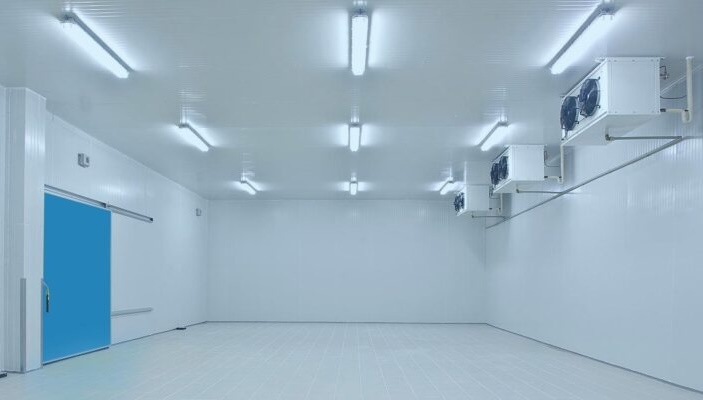
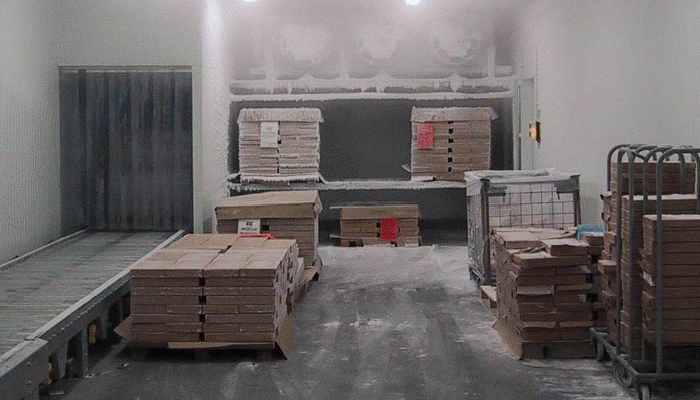
Refrigeration compliance sits at the intersection of safety, environment, food quality and asset management. A food facility may have pressure equipment, electrical systems, refrigerants, cold storage, cooling towers and safety procedures all operating together. When documentation is weak or responsibilities are unclear, even a well-built plant can create compliance risk.

Read More
Wet-Bulb Temperatures and Evaporative Condensers: Optimising Performance in Sydney’s Climate”slug: “wet-bulb-temperatures-and-evaporative-condensers-optimising-performance-in-sydney-s-climate

Overview

Evaporative condensers are excellent heat rejection devices, but their performance is tied closely to the condition of the air around them. On a dry day, evaporation can provide strong cooling benefit. On a humid Sydney afternoon, the same equipment may have less evaporative potential and must be kept in excellent condition to perform reliably.

Read More
Cutting Energy Costs: Smart Refrigeration Upgrades for Sydney Food Plants

Overview

Industrial refrigeration is often one of the largest electrical loads in a food facility. Every unnecessary degree of condensing temperature, every leaking door gasket and every motor running at full speed when demand is low adds cost to the business. The opportunity is that many refrigeration energy savings are practical, measurable and achievable without sacrificing product safety.

Read More